
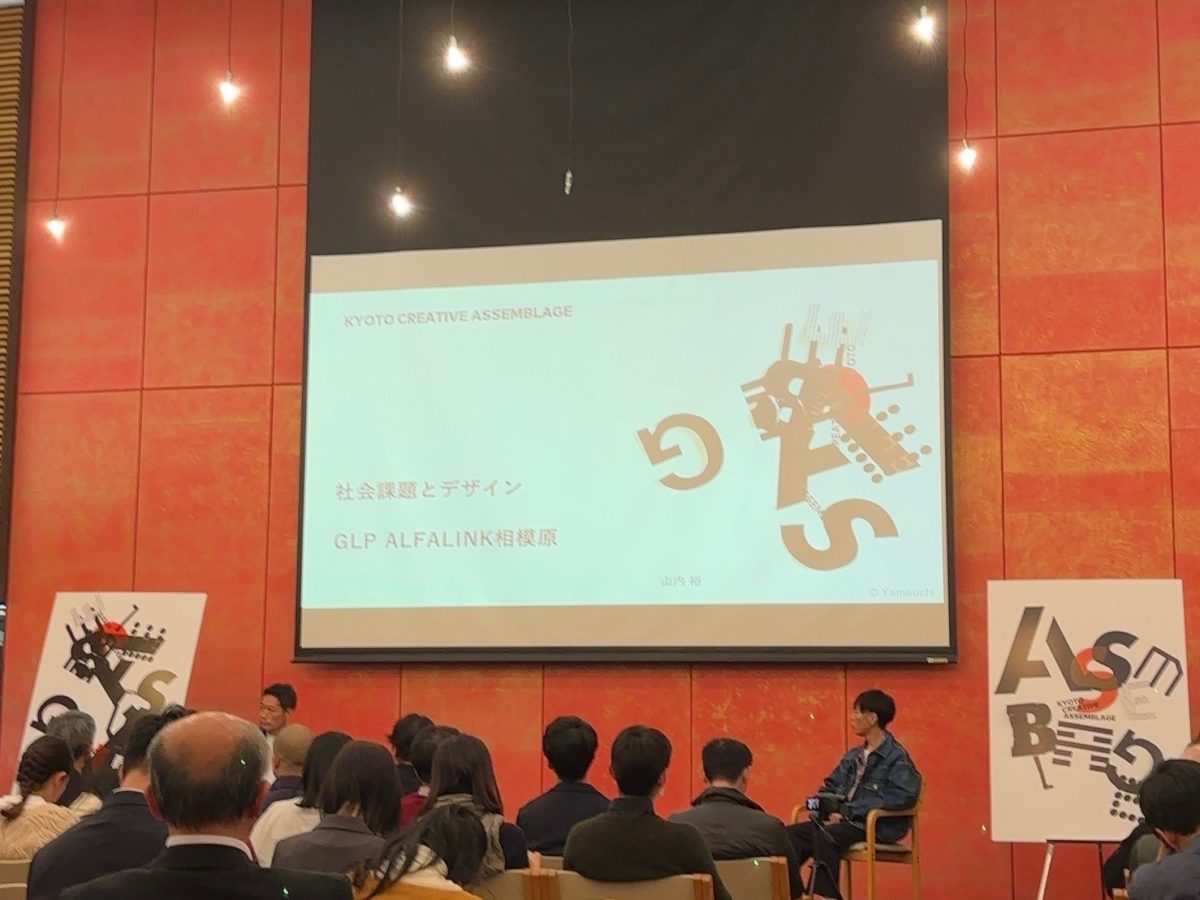
The other day, I attended a lecture by Kashiwa Sato.
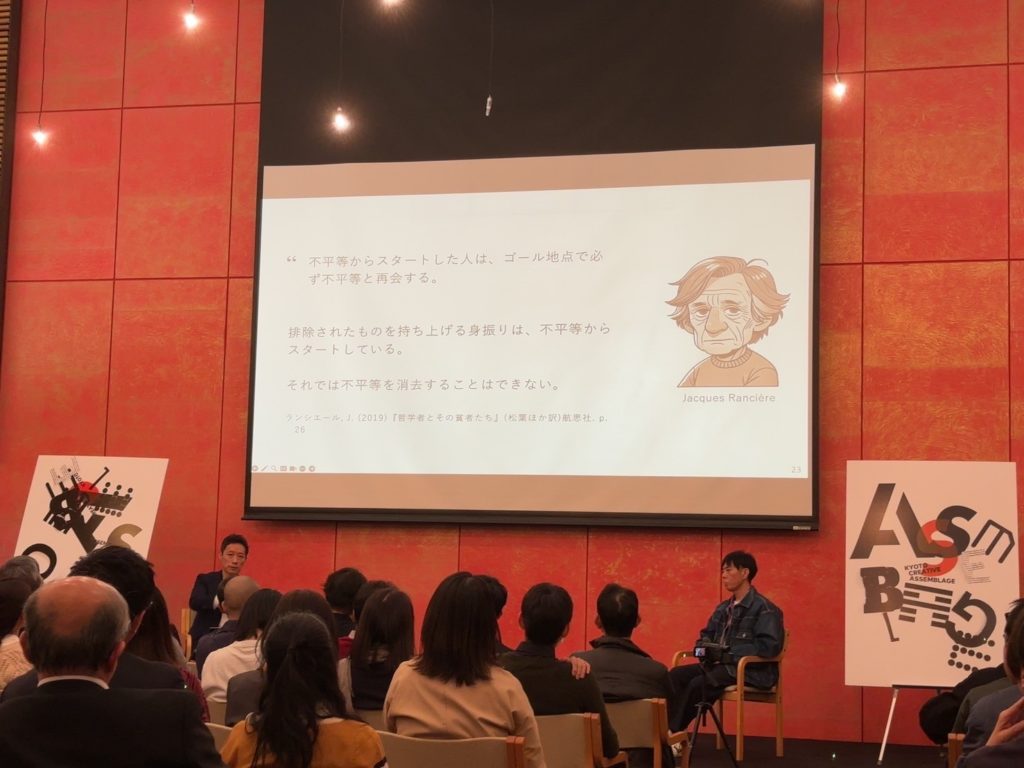
Sato’s philosophy of design can be summed up as “breaking definitions.” This approach extends beyond the realm of design, offering innovative solutions to social issues. By dismantling conventional values and hierarchies—challenging notions of top and bottom, strong and weak—it seeks to create an equal world. The designs born from this perspective are imbued with the potential to break free from existing frameworks.
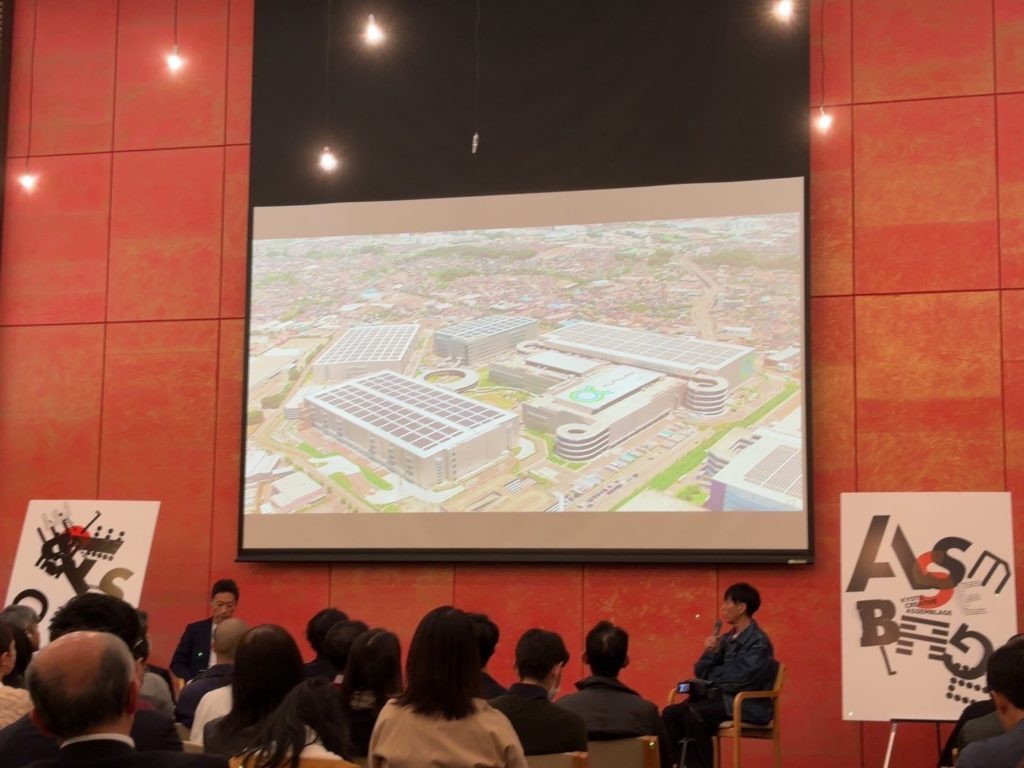
A prime example is the logistics facility “ALFALINK Sagamihara.” This facility is not just a space for transporting goods but is designed as an “open logistics facility” that interacts with the local community. By placing event spaces and sports courts accessible to the public at its core, the facility allows people to naturally observe logistics operations. Instead of limiting access to those interested in traditional “tours,” it integrates the logistics concept into everyday life.
What’s fascinating about this approach is the deliberate effort to avoid “assigning meaning.” When a clear intention—”this is what it’s meant for”—is apparent, people may perceive a sense of hierarchy or imposition and distance themselves. However, by minimizing predefined meaning and leaving room for interpretation, new values and ideas can emerge. This “margin” enables local residents to naturally accept the logistics presence and fosters collaboration between competing companies.
This philosophy is not confined to logistics facilities; it can be applied across various fields. For instance, the same principle can be applied to halal food businesses. Halal food is often targeted at Muslims, but reinterpreting it as “a proposal for exquisite cuisine beyond religious boundaries” expands its audience. Instead of focusing solely on religion, it could be presented as a new way to enjoy Japan’s diverse flavors. This shift in meaning can broaden the possibilities of a product or service, making it more appealing to a wider audience.
Sato’s philosophy highlights the importance of “not being bound by definitions” in design and business. By avoiding rigid meaning, unexpected possibilities can emerge. This room for interpretation, or margin, fosters the creation of new values. Breaking down notions of hierarchy and creating level playing fields can also contribute to solving social issues. This perspective, far from being limited to logistics or product development, offers valuable insights for our daily lives.